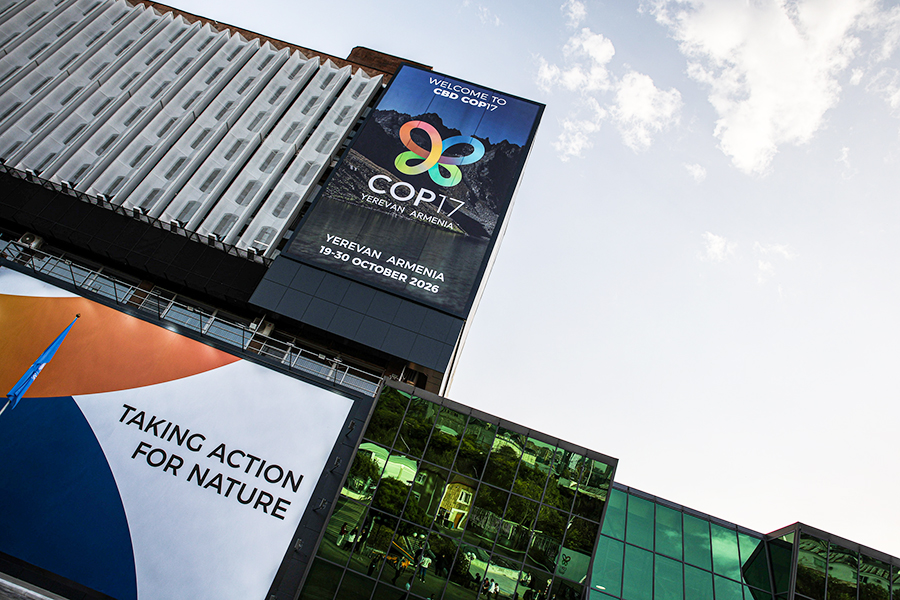
From October 19 to October 30, 2026, international delegates, scientists, Indigenous leaders, and environmental advocates are gathering in Yerevan, Armenia, for the 17th meeting of the Conference of the Parties to the UN Convention on Biological Diversity (CBD COP17). A central priority at the summit is ensuring that international waters—which encompass nearly half of the Earth’s surface—remain at the forefront of global nature conservation.
Leading this diplomatic push in Yerevan is the High Seas Alliance (HSA), a coalition of non-governmental organizations—including active network partner Global Choices—working to align biodiversity goals with the newly ratified High Seas Treaty (formally the BBNJ Agreement). With the treaty officially in force after passing the threshold of 60 national ratifications and its first Conference of the Parties (BBNJ COP1) only months away, the Yerevan summit serves as a critical bridge between treaty ratification and tangible ocean protection.
Strategic Priorities and Key Engagements in Yerevan.
Because marine ecosystems and migratory wildlife operate as a single, borderless living system, historical divisions between different regulatory treaties have often hindered effective conservation. At COP17, the High Seas Alliance and its partner organizations are spearheading three strategic engagements designed to replace fragmented marine governance with unified action:
- Aligning Access and Benefit-Sharing Frameworks (October 23): Hosted in the NGOs Group meeting space in Ashtarak, this debate-style forum examines how negotiators under the CBD’s Nagoya Protocol define criteria for “specialized international instruments” (SIIs). By bringing together specialists across various access and benefit-sharing mechanisms, the session aims to build legal coherence between the CBD and parallel frameworks governing marine genetic resources in international waters.
- Uniting Global Environmental Agreements (October 24): Taking place at the Ocean Pavilion and co-organized with partners including BirdLife International, Greenpeace, NRDC, IUCN, and the Ocean & Climate Platform, the “One Ocean, Multiple Agreements” session addresses how to transform the High Seas Treaty into an engine of institutional coordination. Discussions focus on achieving the global target of protecting 30 percent of the planet’s oceans by 2030 (30×30), embedding climate resilience into high seas Marine Protected Areas (MPAs) and environmental impact assessments, and aligning sectoral bodies like the International Maritime Organization (IMO) and Regional Fisheries Management Organizations (RFMOs). Crucially, the panel emphasizes integrating Indigenous and traditional knowledge alongside equity principles from the outset, culminating in an actionable roadmap for BBNJ COP1.
- Mobilizing Political Momentum for BBNJ COP1 (October 27): A dedicated High Seas reception at the Ocean Pavilion brings together diplomatic and civil society leaders—including Faith for Oceans, IFAW, EarthEcho, and RISE UP—to celebrate the treaty’s entry into force and solidify the political commitments required to make the upcoming inaugural BBNJ summit an operational success.
Spotlight: Global Choices and the Central Arctic Ocean
The urgency of the High Seas Alliance’s work at COP17—particularly regarding climate integration, sectoral coordination, and precautionary high seas protection—is vividly illustrated by the advocacy of Global Choices. As a member of the High Seas Alliance network, Global Choices focuses on the “Ice Crisis,” prioritizing the preservation of the polar cryosphere as Earth’s primary planetary thermostat.
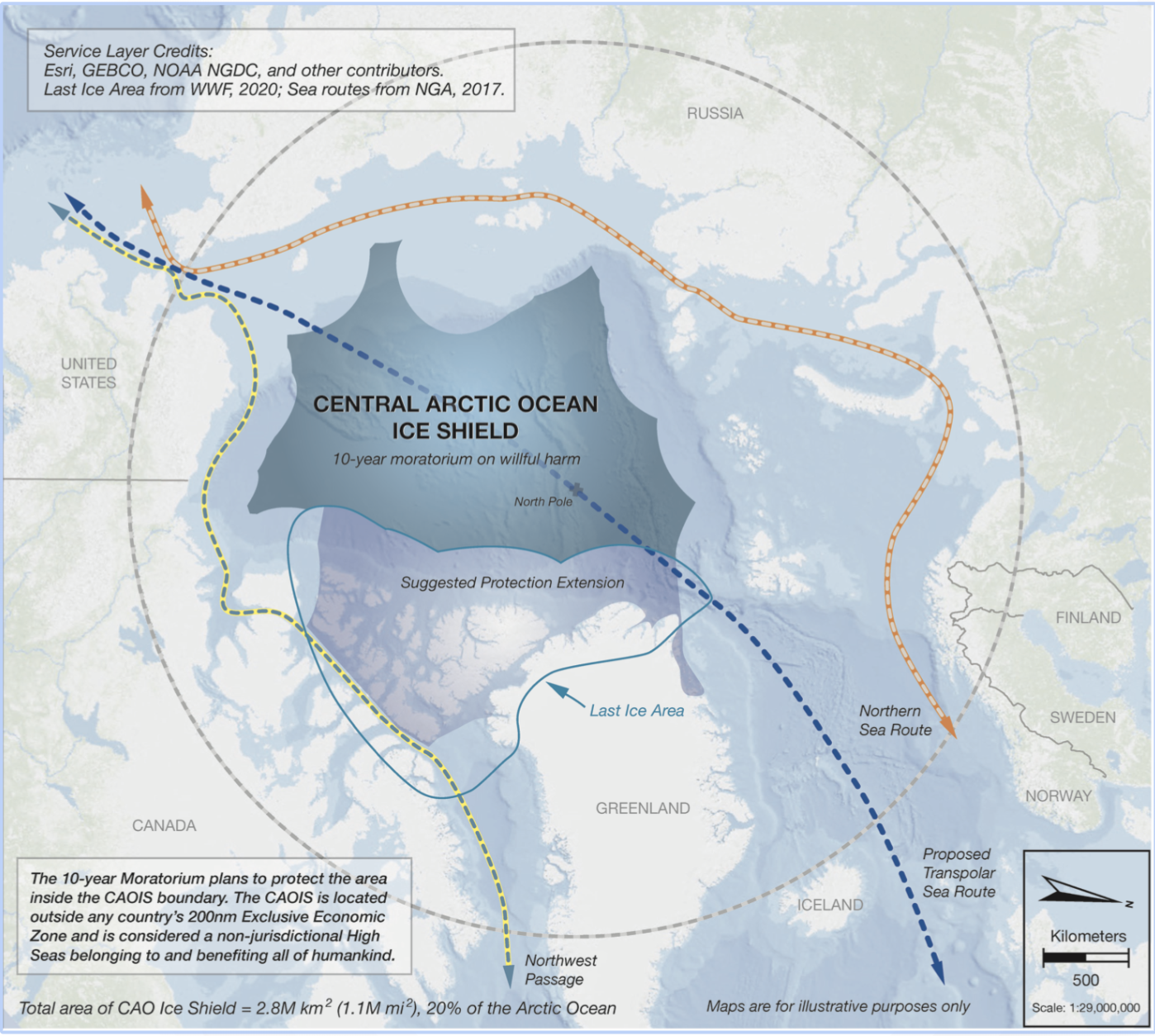
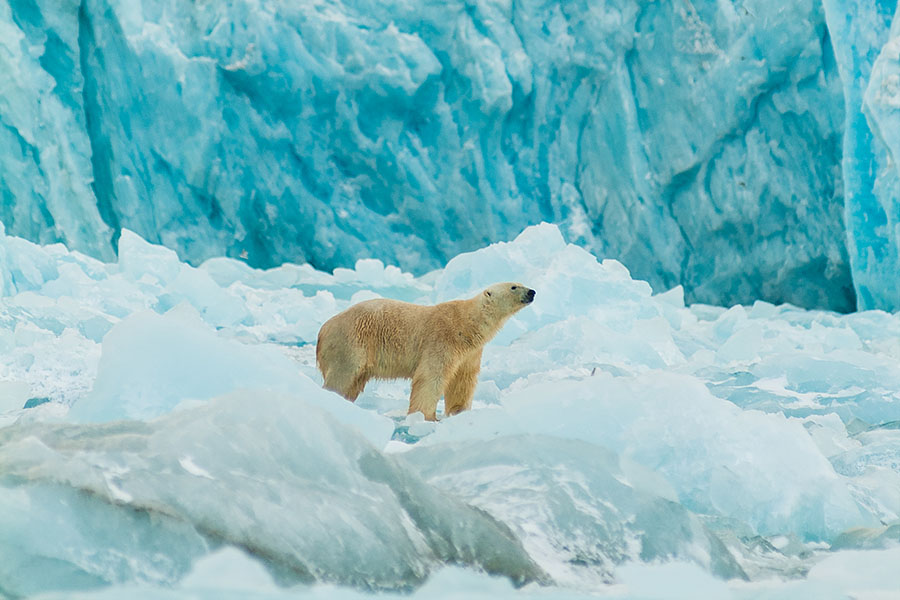
At the center of Global Choices’ mission is the protection of the Central Arctic Ocean (CAO), an expanse of 2.8 million square kilometers of international high seas surrounding the North Pole. Over the past three decades, the planet has lost roughly 28 trillion tonnes of polar ice. As reflective sea ice vanishes, darker ocean waters absorb more solar radiation, accelerating global warming, altering ocean circulation, and intensifying ocean acidification. Simultaneously, receding ice is exposing this once-inaccessible marine sanctuary to geopolitical competition and commercial exploitation.
To prevent irreversible ecological damage while longer-term governance mechanisms under the High Seas Treaty and CBD are established, Global Choices is campaigning for an immediate, precautionary, minimum 10-Year Moratorium on industrial exploitation in the Central Arctic Ocean Ice Shield. Acting as a vital first line of defense that complements the 30×30 biodiversity framework, this proposed pause calls for:
- Halting Destructive Industrial Activity: Prohibiting oil and gas drilling, deep-seabed mining, seismic blasting, radioactive waste disposal, unregulated geoengineering, and the cutting of transpolar commercial shipping lanes through thick, multi-year ice.
- Advancing Peaceful Science and Indigenous Stewardship: Preserving the high seas of the Central Arctic for collaborative scientific monitoring and centering the leadership and traditional wisdom of Arctic Indigenous communities.
- Establishing Legal and Youth-Led Momentum: Through its Arctic Legal Defense Fund, Global Choices brings together legal experts to craft protective governance mandates that build upon existing precedents, such as the 2021 Central Arctic Ocean Fisheries Agreement, while evaluating long-term MPA designations under the BBNJ framework. Simultaneously, its intergenerational Arctic Angels and Arctic Ice Force networks mobilize young leaders across more than 20 countries to elevate polar high seas protection at international forums.
As delegates negotiate in Armenia, the convergence of the High Seas Alliance’s policy roadmap and Global Choices’ campaign for the Central Arctic Ocean underscores a vital truth: achieving global biodiversity and climate stability requires treating the high seas not as a frontier for extraction, but as an interconnected global commons demanding immediate, unified protection.