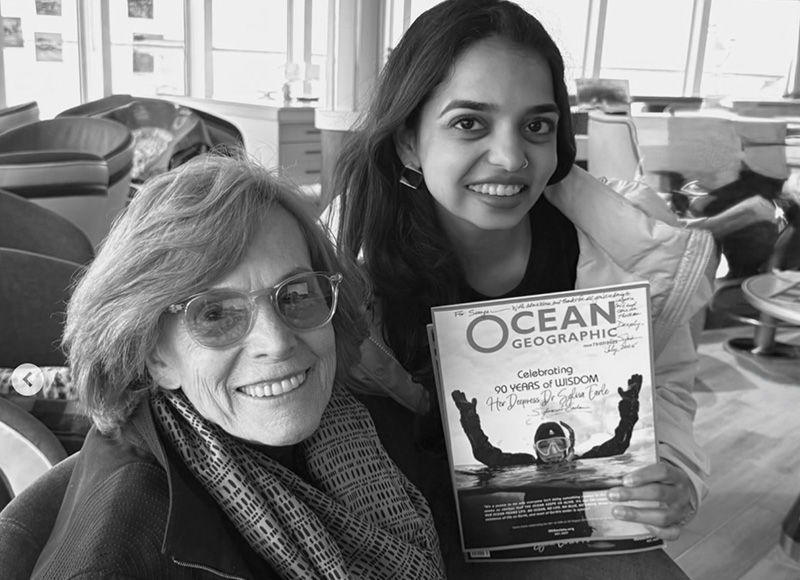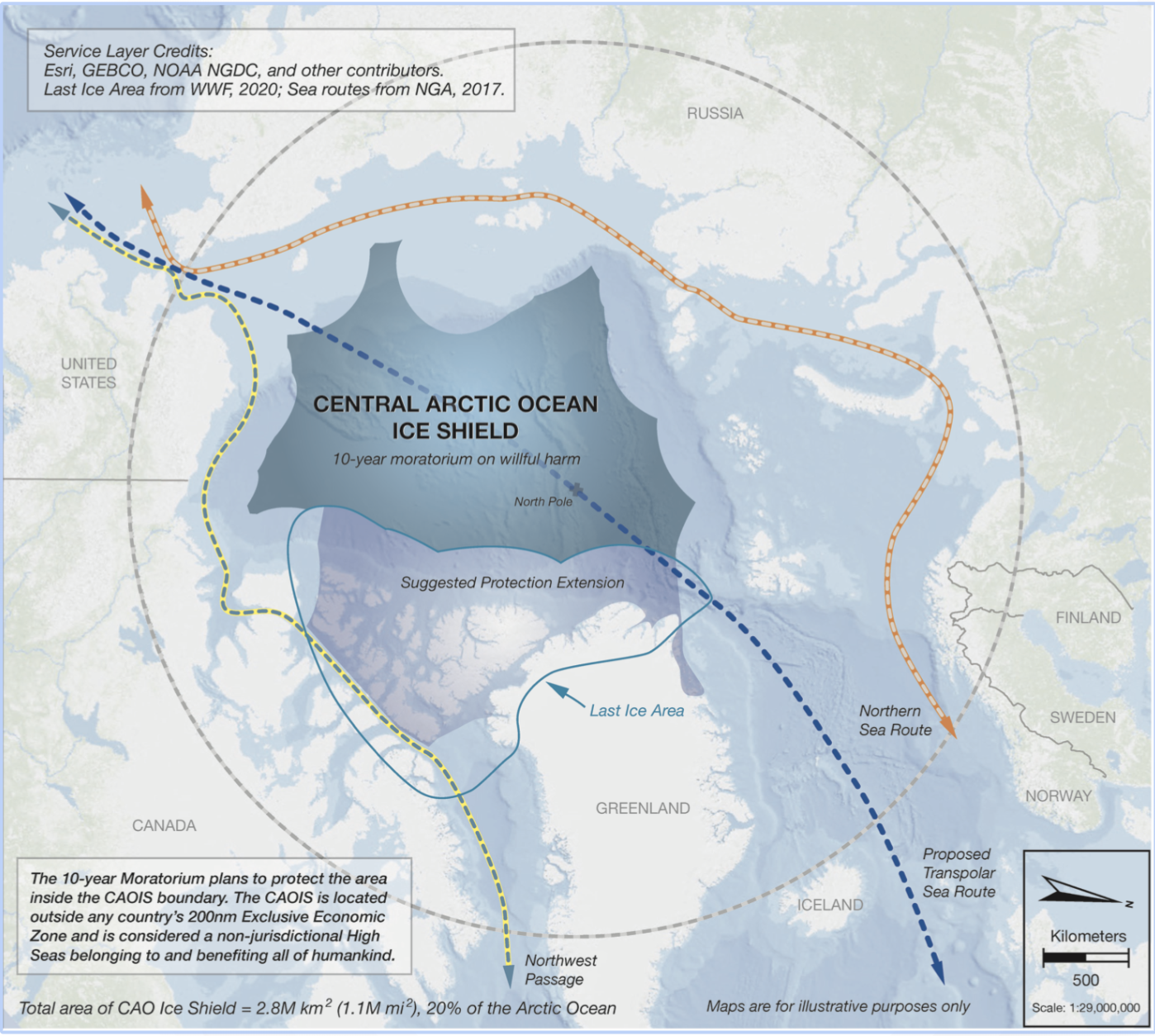

In early February 2026, Global Choices took the floor at the International Maritime Organization (IMO) Plenary Hall to push for stronger protections against black carbon pollution in the Arctic. Vedika Mandapati, our Policy Analyst and Outreach Officer, spoke on a high-level panel titled “Scope of Action on Arctic ‘Polar’ Fuels,” hosted by Pacific Environment as an official side event to PPR13 (the IMO’s Pollution Prevention and Response Subcommittee).
Vedika’s intervention focused on States’ legal obligations to protect the environment, particularly in light of recent climate advisory opinions clarifying the responsibilities governments hold under international law. Drawing on a commenting paper she authored and submitted to PPR13, she argued that unregulated black carbon emissions in the Arctic may constitute a human rights concern — especially regarding the right to health.
Black carbon, a major component of fine particulate matter (PM), is linked to cardiopulmonary disease, lung cancer, and ischemic heart disease. Globally, exposure to ambient particulate matter contributes to millions of premature deaths each year. In the Arctic, these health impacts intersect with environmental injustice, as Indigenous communities face disproportionate exposure while relying on shipping for essential goods.
Beyond public health, black carbon is a potent climate forcer, with a 100-year warming potential up to 450 times greater than CO₂. When deposited on ice and snow, it accelerates melting — compounding the Arctic’s already rapid warming. Regulating the fuels ships use in Arctic waters is therefore a practical and immediate step to reduce harm.
The event supported a proposed mandatory “polar fuels” measure that would require ships operating in the Arctic to switch from heavy residual fuels to cleaner distillate fuels. Distillates are already widely available, making this a common-sense and achievable solution. The proposal, submitted by Denmark, France, Germany, and the Solomon Islands, has been reinforced by technical and legal papers from the Clean Arctic Alliance, including Vedika’s analysis.
The panel brought together diverse expertise. Kay Brown (Pacific Environment) moderated, while Jessica Veldstra of the Aleut International Association highlighted the lived impacts of increased shipping on Arctic Indigenous communities. Ludmila Osipova and Bill Hemmings provided technical insight into fuel types, geographic scope, and why the current Polar Code framework does not go far enough.
Notably, the IMO has debated Arctic black carbon for more than 15 years. This year marked meaningful progress toward advancing the polar fuels concept, though discussions will continue into 2027.
We extend our sincere thanks to our fellow panelists and partners for their leadership. Momentum is building — and Global Choices will continue ensuring that human rights, science, and climate urgency remain at the center of Arctic shipping policy.